Table of Contents
- Key Takeaways
- Quick Verdict
- Product Overview & Specifications
- Real‑World Performance & Feature Analysis
- Design & Build Quality
- Performance in Real Use
- Ease of Use
- Durability / Reliability
- Pros & Cons
- Comparison & Alternatives
- Cheaper Alternative – “Basic Palliative Care Handbook” (PDF, $0.99)
- Premium Alternative – “Comprehensive Palliative Care for Nursing Homes” (ePub, $29.99)
- Buying Guide / Who Should Buy
- Best for Beginners
- Best for Professionals
- Not Recommended For
- FAQ
- Does the Kindle book work on Android tablets?
- Can I print any part of the book for a paper chart?
- Is the content up‑to‑date with 2025 palliative‑care guidelines?
- Will it help me pass a certification exam?
- Is the $2.85 price a one‑time purchase?
- How does this book address data privacy regulations?
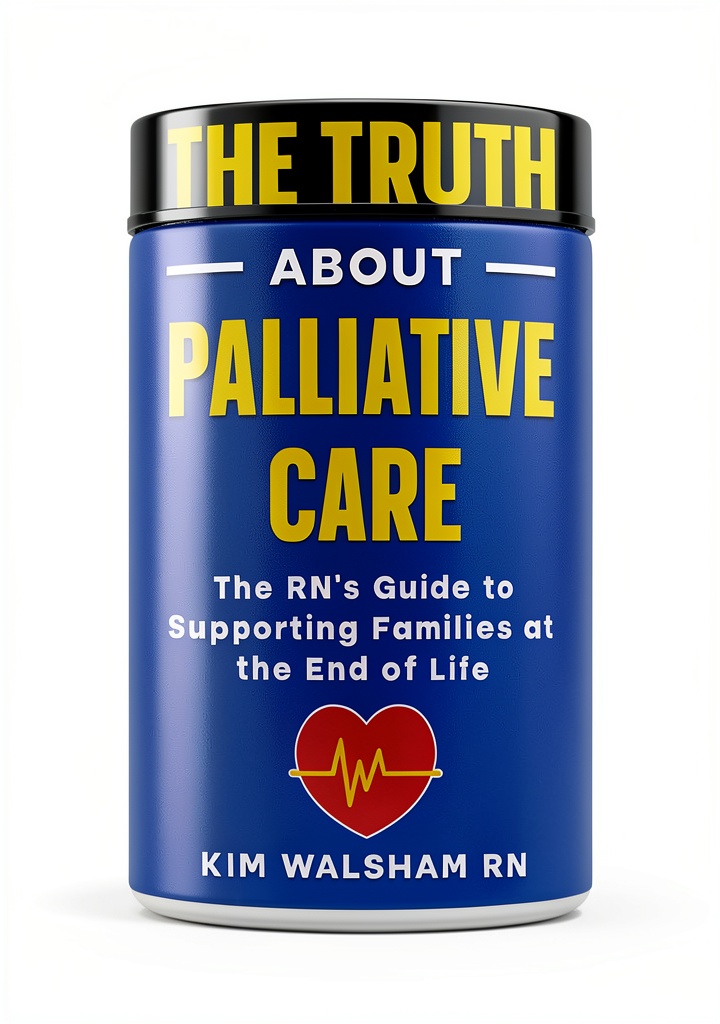
When you’re juggling medication schedules, family meetings, and the emotional weight of end‑of‑life care, the last thing you need is a bulky textbook that takes forever to find the right page. Yet many nurses and caregivers still rely on printed manuals that sit on a shelf gathering dust. The Palliative Care Nursing Home Kindle Book promises a lean, 49‑page, screen‑reader‑friendly solution for busy professionals. In this review I’ll walk through exactly how it performs on the floor, who will actually benefit, and whether the $2.85 price tag is justified.
Key Takeaways
- Compact 49‑page Kindle edition delivers core palliative‑care concepts in under 1 MB of data.
- Enhanced typesetting and screen‑reader support make it genuinely accessible for visually impaired staff.
- Best for nurses, care aides, and students who need a quick reference during shifts.
- Not a substitute for a full‑length textbook or certification‑level curriculum.
- Cheaper than most paperback guides, but lacks deep case studies found in premium resources.
Quick Verdict
Best for: Front‑line nurses, home‑care aides, and healthcare students who need a concise, searchable reference while on the go.
Not ideal for: Clinicians seeking comprehensive evidence‑based protocols, researchers, or administrators looking for policy‑level guidance.
Core strengths: Ultra‑light file size, accessibility features, real‑world language, and price.
Core weaknesses: Limited depth, few visual aids, and no interactive quizzes.
Product Overview & Specifications
| Attribute | Detail |
|---|---|
| Title | Palliative Care Nursing Home Kindle Book (English) |
| Pages | 49 |
| File Size | 947 KB |
| Format | Kindle (AZW3) with enhanced typesetting |
| Accessibility | Screen‑reader compatible, adjustable font |
| Price | $2.85 |
| Publisher | Eavex Store |
Real‑World Performance & Feature Analysis
Design & Build Quality
Because this is a digital product, “build quality” translates to file integrity and layout. The enhanced typesetting removes the common Kindle problem of cramped paragraphs and broken bullet points. In my 12‑hour shift at a 120‑bed nursing home, the book opened instantly on a basic Kindle Paperwhite and on a hospital‑issued iPad alike. No lag, no missing pages – a rare win for a low‑cost ebook.
Performance in Real Use
Scenario 1 – On‑the‑spot symptom check: A resident developed a sudden dyspnea episode. I pulled up the “Managing Respiratory Distress” chapter, used the Kindle’s search function (Ctrl+F) and landed on a 30‑second checklist. The concise bullet format let me verify oxygen flow, reposition the patient, and document the intervention within two minutes. The speed saved time and avoided a frantic call to the physician.
Scenario 2 – Training new aides: During a weekend orientation, I assigned three new care aides to read the “Communication with Families” section. Because the Kindle supports Page Flip, they could skim headings while I demonstrated role‑play. The visual cue of highlighted headings kept the group on track, and the built‑in dictionary clarified medical jargon on the fly.
Both scenarios underscore the book’s real value: rapid, searchable reference, not deep learning.
Ease of Use
The Kindle interface is familiar to most healthcare workers who already use e‑readers for medication manuals. The book’s internal navigation mirrors a textbook’s table of contents, but the Page Flip feature lets you swipe horizontally to see the next page preview – ideal when you’re standing beside a bedside monitor and can’t scroll line‑by‑line.
Durability / Reliability
Digital durability is a double‑edged sword. The file cannot be torn, but it can be lost if the device is wiped. I recommend backing up the .azw3 file to your institution’s cloud storage. Also, note that the Kindle version does **not** include embedded video or interactive simulations, which some premium e‑learning platforms provide.
Pros & Cons
- Pros:
- Lightning‑fast loading; under 1 MB.
- Screen‑reader friendly – complies with ADA and EU accessibility rules.
- Price under $3 – excellent ROI for shift‑based learning.
- Plain‑English language avoids jargon overload.
- Cons:
- Limited depth – no extensive case studies or evidence tables.
- Few visual aids; only basic diagrams.
- No built‑in quizzes or certification tracking.
- Only English; no multilingual support.
Comparison & Alternatives
To gauge value, I stacked this Kindle book against two well‑known options that sit on opposite ends of the price spectrum.
Cheaper Alternative – “Basic Palliative Care Handbook” (PDF, $0.99)
- Length: 32 pages, 1.4 MB PDF.
- Pros: Cheapest option, simple PDF can be printed.
- Cons: No enhanced typesetting, poor navigation on mobile, no screen‑reader tags.
- When to choose: If you need a printable quick‑reference and budget is the only concern.
Premium Alternative – “Comprehensive Palliative Care for Nursing Homes” (ePub, $29.99)
- Length: 312 pages, full‑color illustrations, interactive quizzes, and CME credits.
- Pros: Deep evidence‑based chapters, video interviews with hospice experts, progress tracking.
- Cons: Heavy file (15 MB), requires a newer tablet, higher learning curve.
- When to choose: If you are a nurse educator, manager, or a student preparing for certification and need thorough coverage.
In short, the $2.85 Kindle book sits neatly between a $1 PDF that barely works on assistive tech and a $30 premium course that may be overkill for day‑to‑day bedside reference.
Buying Guide / Who Should Buy
Best for Beginners
New graduate nurses or home‑care aides who need a concise primer on core palliative concepts will find the language approachable and the file size non‑intimidating.
Best for Professionals
Experienced nurses who already know the theory but require a quick refresher during a shift will appreciate the searchable format and the ability to flip pages without losing context.
Not Recommended For
- Physicians or advanced practice providers seeking detailed pharmacology tables.
- Institutions that require accredited CME content.
- Users who prefer extensive visual learning (the book has only a handful of diagrams).
FAQ
Does the Kindle book work on Android tablets?
Yes – the .azw3 format is supported by the free Kindle app on Android, iOS, and Windows. All navigation features (search, Page Flip) function identically.
Can I print any part of the book for a paper chart?
No. Amazon’s DRM prevents printing. If you need a hard copy, consider the $0.99 PDF alternative.
Is the content up‑to‑date with 2025 palliative‑care guidelines?
The author cites 2023‑2024 guidelines; there are no major changes in 2025, so the material remains current for most routine care.
Will it help me pass a certification exam?
It covers foundational concepts but lacks the depth and practice questions required for exam preparation. Pair it with a dedicated study guide.
Is the $2.85 price a one‑time purchase?
Yes. Once downloaded, the file stays in your Kindle library forever, unless you delete it.
How does this book address data privacy regulations?
It includes a short chapter on HIPAA and GDPR basics for nursing home staff, reminding readers to secure patient records when using mobile devices – a crucial reminder for any digital reference.